
Plate and Frame Heat Exchanger Units
Benns Industrial Solutions, Inc., offers a comprehensive range of plate and frame heat exchanger units. Whether you require the supply or replacement of any brand, or the sizing and calculation of our own line of gasketed plate and frame units, we have you covered. Rest assured that our units are proudly manufactured in the United States.
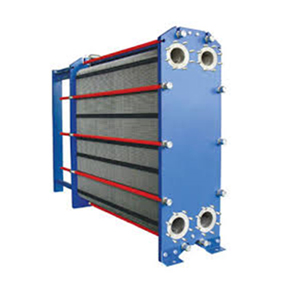
Plate and Frame Heat Exchangers
Key Benefits
- Efficiency and flexibility
- Easy to repair and clean
- Low fouling factor
- Compact structure, lightweight
- Easy to adjust heat transfer surface or plate arrangement
- Small temperature differential
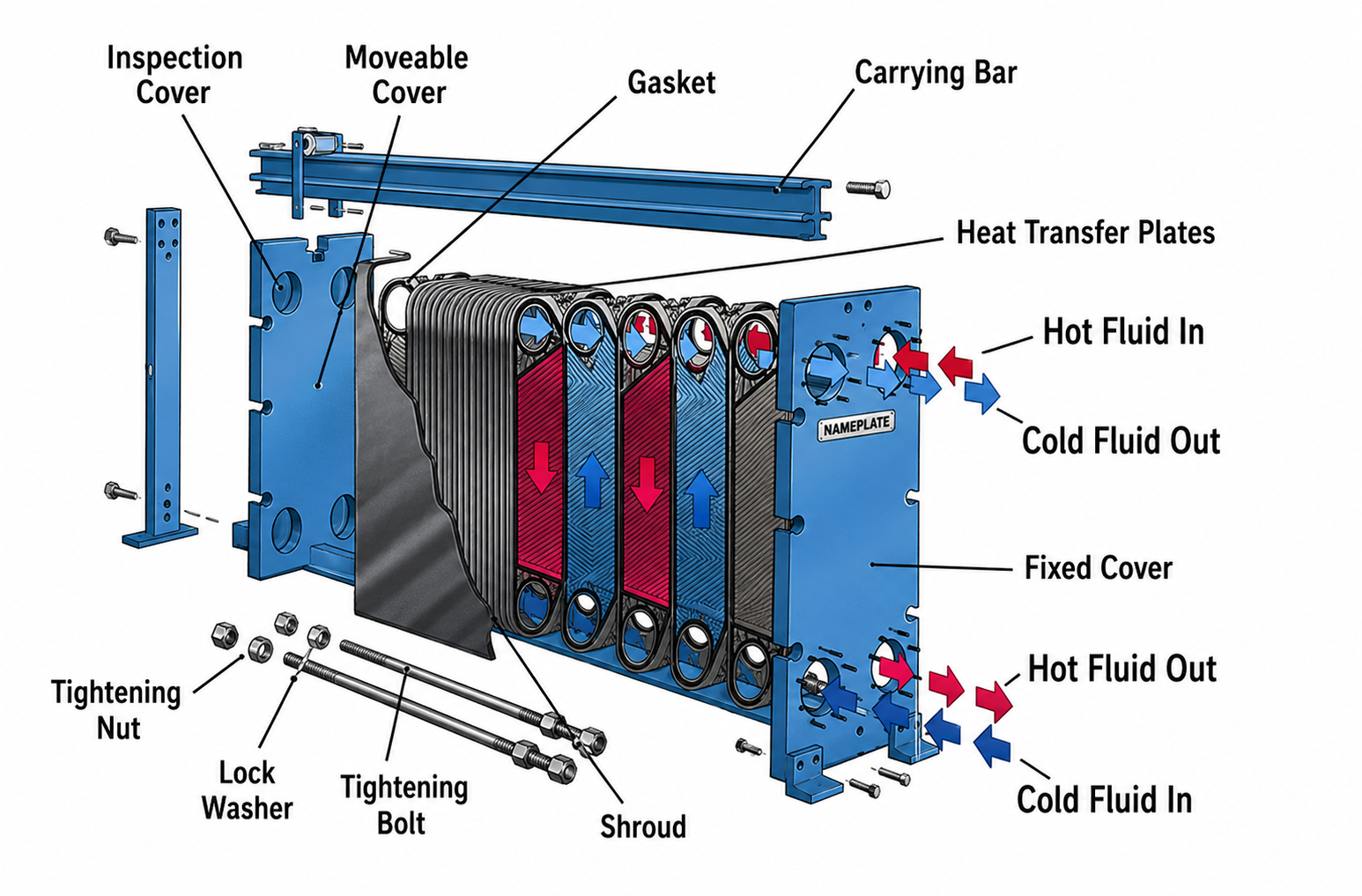
The plate heat exchanger is comprised of a stack of corrugated metal plates with openings for the passage of two fluids, facilitating heat transfer between them. The plate stack is sandwiched between a stationary frame plate and a moveable pressure plate, which are pressed together using tightening bolts.
To ensure proper sealing and guide the fluid flow, the plates are equipped with gaskets that seal the channels between them and direct the fluids into alternating paths. The number of plates is determined based on factors such as flow rate, fluid properties, pressure drop, and temperature requirements. The corrugations on the plates enhance fluid turbulence and provide support against differential pressure.
Both the frame plate and the pressure plate are suspended from an upper carrying bar and aligned by a lower guiding bar, both of which are fixed to a support column. The connection points for the fluids are located on the frame plate. In cases where one or both fluids undergo multiple passes within the unit, the connections can be found on both the frame and pressure plates.
Let us size a new unit or resize an existing unit!
Markets / Applications
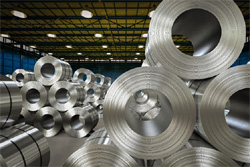
Aluminum - Cooling rolling mill emulsions and quenching media in aluminum production lines.

Beverage - Pasteurization, carbonation cooling, and product temperature control for soft drinks, juice, and bottled water.

Brewery - Wort cooling, fermentation temperature control, and pasteurization for craft and commercial brewers.
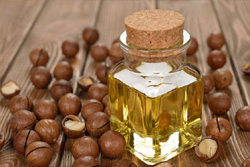
Edible Oils - Heating, cooling, and deodorization across vegetable oil refining and processing.

Fertilizer - Heat recovery and process cooling in ammonia, urea, and phosphate fertilizer production.

HVAC - Efficient heat transfer for chiller, boiler, and district heating and cooling systems.

Marine - Engine jacket water cooling, lube oil cooling, and freshwater generation aboard commercial vessels.

Milk & Dairy - Pasteurization, regeneration, and cooling for milk, cream, yogurt, and cheese processing.

Oil & Gas - Crude preheating, gas dehydration, and process cooling across upstream and downstream operations.

Pharmaceutical - Sanitary heat transfer for WFI generation, CIP systems, and reactor temperature control.

Power Plant - Auxiliary cooling, lube oil cooling, and closed-loop systems in fossil, nuclear, and renewable plants.
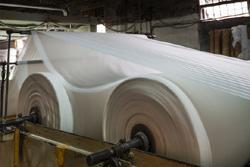
Pulp & Paper - Black liquor heating, white water cooling, and heat recovery in kraft and recycled paper mills.

Refrigeration - Condensers and evaporators in industrial ammonia and CO₂ refrigeration systems.

Sugar - Juice heating, syrup cooling, and evaporator condensate handling in cane and beet sugar mills.
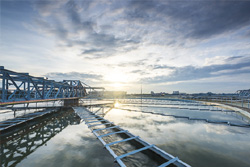
Waste Water - Sludge heating for anaerobic digestion and effluent cooling in municipal and industrial treatment.

Yeast - Fermentation cooling and propagation temperature control in baker's and brewer's yeast production.